Which Wilkes-Barre neighborhoods get the worst storm damage
Some Wilkes-Barre neighborhoods get pounded by storms far more than others. Here's which areas take the worst damage, why, and how to protect your roof.
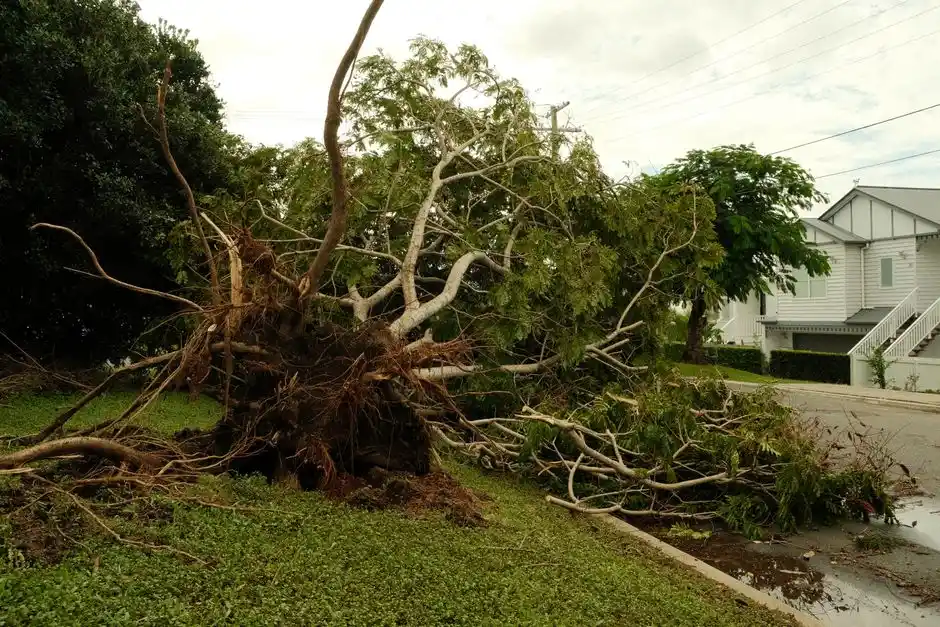
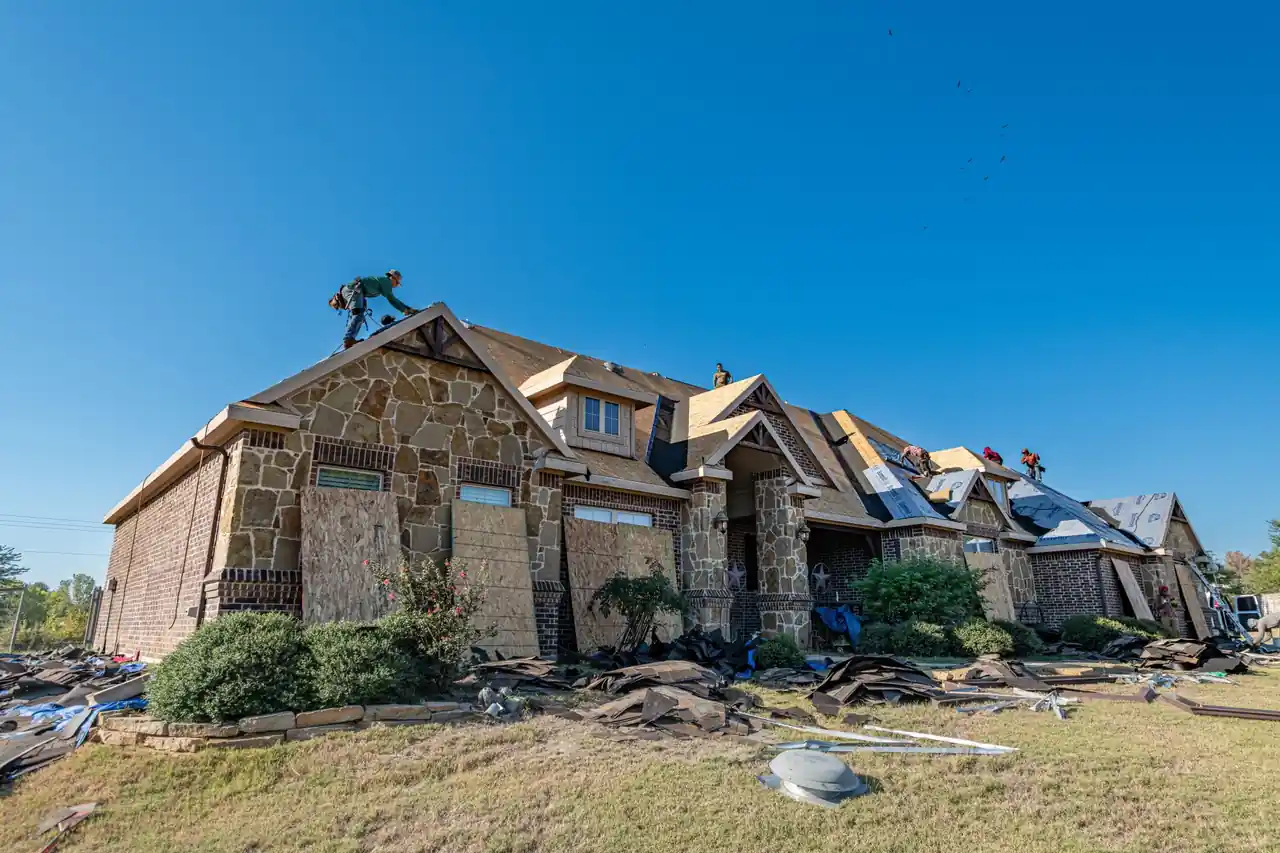
The Wilkes-Barre neighborhoods that get the worst storm damage are the Heights, the North End, and the South Side near the levee - followed closely by Downtown and the older blocks along Coal Street. Those areas sit on higher ground, face the river corridor, or hold the city's oldest housing stock, and all three factors turn a routine thunderstorm into a roof repair bill.
We run emergency calls across Wilkes-Barre every week, and the pattern is consistent enough that we can predict which streets will light up our phone after a big system rolls through the Wyoming Valley. This post breaks down the hardest-hit neighborhoods, explains why they take the beating, and shows you how to tell whether your block is on the list.
The Wilkes-Barre neighborhoods that take the worst storm damage
Storm damage by neighborhood in Wilkes-Barre Pennsylvania tracks almost perfectly with elevation, tree cover, and roof age. The Heights and North End sit above the river and catch the full force of west-to-east storm fronts coming off the Susquehanna. The South Side and Downtown sit lower, where wind funnels between buildings and drives rain sideways into flashing and valleys.
Here's how the city breaks down, based on the calls we run and the damage we see on the roofs themselves:
- Wilkes-Barre Heights - exposed ridgelines, mature oaks, and a lot of 1920s-1950s slate and asphalt roofs. Wind damage and missing shingles dominate.
- North End - similar exposure, plus heavy tree canopy. Downed limbs and punctured shingles are the most common call.
- South Side (near the levee) - river-corridor wind gusts and older flat-roof commercial buildings mixed with homes. Flashing and flat roof leaks.
- Downtown Wilkes-Barre - tall buildings create wind tunnels. Roof storm damage in Downtown Wilkes-Barre PA usually means torn flashing, damaged parapets, and membrane failures on flat roofs.
- Parsons and Miners Mills - older housing stock, steep pitches, and gutters that were undersized when they were installed. Ice dams and gutter separation after winter storms.
If your street is on that list, you're not unlucky. You're just in the path.
Why these neighborhoods get hit harder than the rest of the city
Three things drive storm damage in Wilkes-Barre: geography, tree cover, and the age of the roof over your head. The city sits in the Wyoming Valley, which acts like a funnel for storms moving northeast along the Susquehanna. Wind accelerates as it squeezes through the valley, and the Heights and North End catch it first.
Tree cover is the second factor. The Heights and North End have some of the oldest oaks and maples in the city. A 60-foot oak that drops a limb on a 25-year-old asphalt roof will punch through the decking in one hit. We see it every spring and fall.
Roof age is the third. A large share of homes in Parsons, Miners Mills, and the South Side still carry their original slate or early asphalt roofs. Slate is durable, but the fasteners and flashing around it are not - and once a slate roof starts leaking, water travels fast. If your roof is slate, slate roofing repair Wilkes-Barre is a specialized job; a general roofer can make it worse.
Flat roofs are their own category. Downtown and the South Side have a lot of low-slope and flat commercial roofs, and those fail differently. A flat roof doesn't lose shingles - it loses seams. If you own a flat-roof building, flat roof repair Wilkes-Barre is the call you'll be making after every major storm.
Which Wilkes-Barre neighborhoods get the worst storm damage in PA? A closer look
If you want the short answer: the Heights and the North End take the most wind and tree damage, the South Side and Downtown take the most water intrusion, and Parsons and Miners Mills take the most winter ice damage. That's the storm damage risk by neighborhood Wilkes-Barre PA homeowners ask us about most often.
Here's what that looks like in practice, by storm type:
Wind and hail
The Heights and North End get the worst of it. A typical summer squall line in the Wyoming Valley carries 50-70 mph gusts, and that's enough to peel back shingles, tear ridge caps, and lift flashing around chimneys. Hail up to 1.5 inches falls somewhere in Luzerne County most years, and when it does, the Heights and North End roofs show it first. If you're seeing dents in your gutters or downspouts after a storm, hail roof repair Wilkes-Barre is usually the next step.
Rain and flash flooding
The South Side and Downtown sit lower and drain slower. A 2-inch rain in two hours - which happens in Wilkes-Barre more often than people think - overwhelms gutters and pushes water under flashing. That's when you get ceiling stains in the top-floor bedroom and a wet attic floor. Most of those calls come from the blocks between South Main and the levee.
Winter ice and snow
Parsons, Miners Mills, and the older parts of the North End get the worst ice dams. Snow sits on a roof, melts during a 40-degree afternoon, refreezes at night, and backs water under the shingles. If you've had ice dams two winters in a row, ice dam removal Wilkes-Barre is cheaper than the drywall repair that follows.
How to tell if your neighborhood has storm damage in Wilkes-Barre Pennsylvania
You don't need a drone or a ladder to know whether your block got hit. Start with what you can see from the ground, then check the attic. If two or more of these are true, your neighborhood almost certainly took damage:
- Neighbors on your street are getting new roofs or tarps within a week of the same storm.
- You can see shingle granules in your gutters or at the bottom of your downspouts.
- There are dark patches on your ceiling or a musty smell in the attic.
- Your gutters are sagging, separated, or pulling away from the fascia.
- You've found pieces of shingle, flashing, or vent caps in your yard after a storm.
If you want a definitive answer, roof leak inspection Wilkes-Barre is the fastest way to know. We walk the roof, check the attic, and tell you what's storm damage versus what's just age. No guesswork, no pressure.
One more thing: check your gutters and downspouts first. A surprising share of "roof leaks" in Wilkes-Barre are actually failed gutters pushing water into the fascia and soffit. If your gutters are pulling away, gutter repair Wilkes-Barre is often the whole fix.
What to watch out for after a storm
The biggest mistake homeowners make after a storm is waiting. Water damage compounds - a small leak on Tuesday becomes a soaked attic floor and stained ceiling by Friday. Here's what to watch for in the first 72 hours:
- Bubbling or peeling paint on the ceiling. That's water pushing through the drywall.
- Granules in the gutter. A healthy asphalt shingle shouldn't shed that much grit in one storm.
- Daylight in the attic. If you can see light through the roof deck, you have a hole.
- A musty smell upstairs. That's mold starting, and it moves fast in a humid Wilkes-Barre summer.
- Loose or missing flashing around the chimney. Chimney flashing is the number-one leak source we find on older Wilkes-Barre roofs.
Don't climb on a wet roof to check any of this. Wet asphalt and slate are slick, and a fall is a much bigger problem than a leak.
When to call a professional
Call us when water is actively coming into your house, when you can see missing shingles or a hole from the ground, or when a tree limb is resting on the roof. Those are emergencies, and they get worse by the hour.
We're a local, state-licensed roofing contractor, and we handle storm damage across every neighborhood in Wilkes-Barre - from the Heights to Miners Mills. We tarp, we patch, we document the damage for your insurance claim, and we tell you honestly whether you need a repair or a replacement. If you want the full picture of what we do, start with Emergency Roof Repair Wilkes-Barre PA and we'll take it from there.
Frequently Asked Questions
Which Wilkes-Barre neighborhoods get the worst storm damage in PA?
The Heights, North End, and South Side near the levee get the worst storm damage in Wilkes-Barre, followed by Downtown and the older blocks in Parsons and Miners Mills. Wind exposure, tree cover, and roof age drive the pattern more than anything else.
How do I know if my neighborhood has storm damage in Wilkes-Barre Pennsylvania?
Check your gutters for granules, look for ceiling stains, and see whether neighbors are getting tarps or new roofs. If two or more of those are true within a week of a storm, your block almost certainly took damage. A roof inspection confirms it in under an hour.
Who repairs storm damage in Wilkes-Barre neighborhoods PA?
We do. Wilkes-Barre Roof Repair Pros handles emergency tarping, leak repair, shingle replacement, and full storm damage restoration across every neighborhood in the city. We work directly with your insurance adjuster and document everything with photos before we start.
What areas of Wilkes-Barre get most storm damage PA?
The Heights and North End take the most wind and hail damage. The South Side and Downtown take the most rain and flat-roof damage. Parsons and Miners Mills take the most winter ice damage. Most of the city falls into at least one of those three categories.
How much does storm damage roof repair cost in Wilkes-Barre in 2026?
Typical 2026 pricing in this area runs $350-$900 for a small leak or flashing repair, $1,200-$3,500 for partial shingle replacement, and $8,000-$18,000 for a full tear-off and replacement on an average Wilkes-Barre home. Emergency tarping usually runs $300-$700.
Get help with Emergency Roof Repair in Wilkes-Barre
If a storm just rolled through your neighborhood and you're seeing water, missing shingles, or a limb on the roof, don't wait for the next rain to make it worse. We're local, we answer the phone, and we'll be on your roof today.
Call Wilkes-Barre Roof Repair Pros at (570) 481-9079 for emergency roof repair in Wilkes-Barre and every surrounding neighborhood.